
Share
Why Reading Comprehension Matters
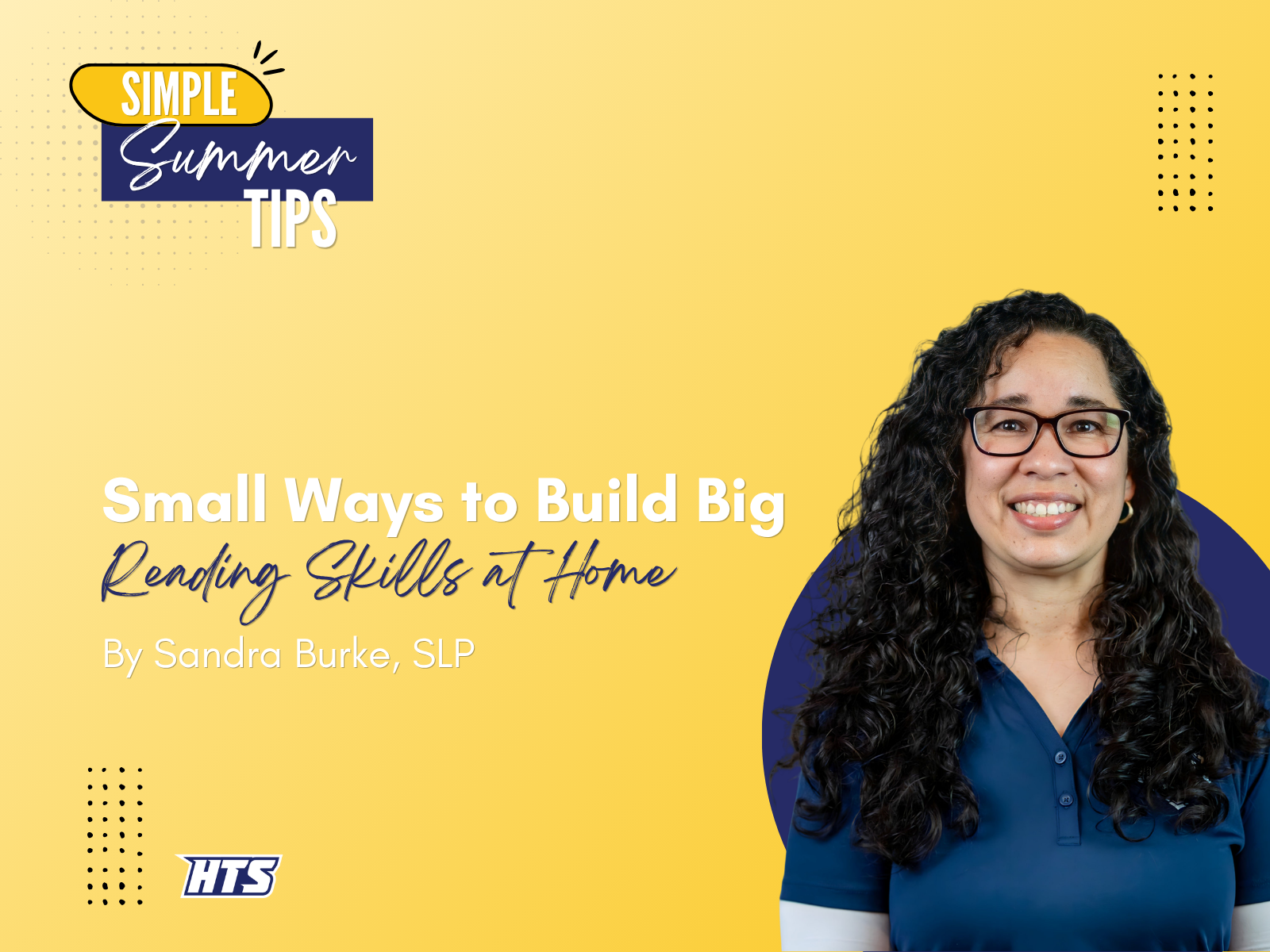
Strong reading skills open doors for your child long after they leave the classroom, but there is a big difference between reading words on a page and truly understanding them. When a child falls behind – whether they read slowly, skip over unfamiliar words, or forget the characters or plot the moment they close the book – it usually means they have challenges with reading comprehension. Below are a few strategies that can be easily implemented at home.
Reading Tips For Younger Children
For early readers, the secret is keeping things active, chatty, and fun so it never feels like a chore or they are being forced to read:
- Turn Books into Conversations: Don’t just read the words straight through. Every few pages, pause to talk about the pictures or ask friendly questions like, “Who do you think is hiding there?” or “Why do you think they did that?” This keeps their minds active.
- Build a Bridge to Their World: Help your child connect the story to their own life. If a character goes to a park or feels sad, you might say, “Remember when we went to that big playground last week?” or “What makes you feel better when you’re sad?”
- Play Story Detective: Encourage your child to guess what happens next. Ask them questions that make them think a little deeper, like, “What do you think is going to happen when he opens that door?” or “How do you think that character is feeling right now?”
- Keep Reading Aloud: Even after your child figures out how to read books on their own, keep reading aloud to them! Hearing you read helps them learn more advanced words and see how sentences are supposed to sound.
For Older Kids & Teens
Older kids need a bit more freedom, plenty of choices, and creative ways to keep reading interesting:
- Look Beyond Standard Books: Expand what counts as “reading.” Comic books, graphic novels, magazines, audiobooks, cooking recipes, sports websites, or blogs about their favorite hobbies are all fantastic ways to keep them reading.
- Act it Out: If your child loves a specific chapter or scene, turn it into a script or role-play inspiration. Take turns reading different characters’ lines and act out the scene together in your living room.
- Use Technology to Your Advantage: If they run into a bunch of words they don’t know in a book, you can easily use free AI tools online to whip up a quick, custom vocabulary cheat sheet or a fun trivia game based on what they are reading.
- The Book-to-Movie Challenge: Pick a book that has been turned into a movie. Have them read the book first, watch the movie together as a family night, and then chat about what the movie changed, left out, or did better than the book.
- Keep It Casual: You don’t need to quiz them. Just ask relaxed questions over dinner or in the car about whatever they are reading, like, “Who is your favorite character so far?” or “What was the craziest thing that happened in that chapter?”
Where to Start
Ready to try it out? Pick just one of these simple suggestions to jumpstart your summer reading environment:
Schedule a Library Date: If you haven’t already, get a library card for each family member! Visit your local library once or twice a month, where everyone can pick out books, then spend time sharing which books everyone picked.
Model Good Habits: Let your child see you reading your own books, magazines, or articles for fun so they see reading as a natural, enjoyable activity.
Read often: Most children love being read to. It’s a great way to connect with your child.
Audiobooks: Never underestimate the power of a good audiobook – or even a fun podcast – that you listen to on your commute to and from school or on long road trips.
Build a Reading Space: Set up a cozy, dedicated reading corner with comfortable seating, good lighting, and easily accessible shelves for books.
Read more
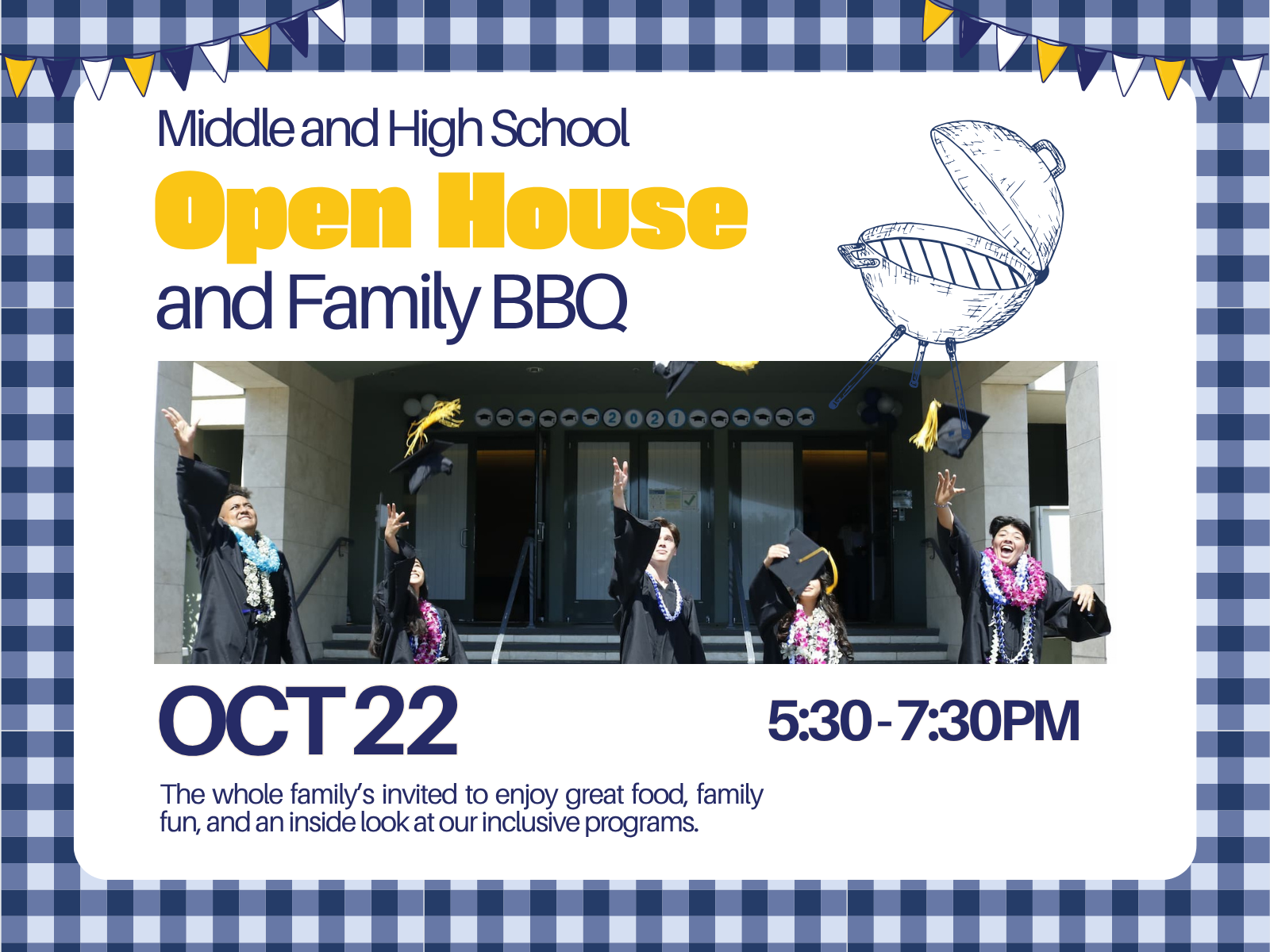
- Join us for great food, family fun, and an inside look at our inclusive programs!
- Read Simple Summer Tip #4 by Kokeb McDonald, OT.